Kazakh culture reflects the history of the nomadic tribes which roamed the Kazakh steppe forming their unique worldview, creating eclectic customs and traditions, and mixing with neighboring cultures. Many Kazakhs adopted a more sedentary lifestyle in the 19th and 20th centuries, leading to the development of new cultural characteristics for Kazakhs, such as huge, glittering, modern cities. Today, Kazakh culture represents the peoples of large swaths of Central Asia, capturing this nomadic spirit in various types of arts and traditions.

Kazakhstan’s musical heritage is based on folklore and historically had no musical notation–the heavily improvised music was passed from teacher to student, generation to generation.
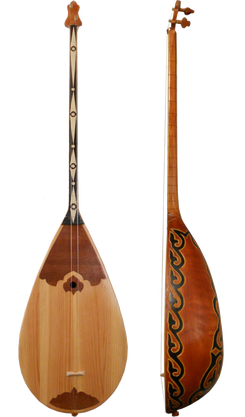
The dombra, also known as dombyra is a long-necked Kazakhlute and a musical string instrument. The dombyra shares certain characteristics with the komuz and dutar, such as its long, thin neck and oblong body shape. It is a popular instrument among Turkic communities in Central Asian countries such as Kazakhstan, Uzbekistan, Turkmenistan, Afghanistan, as well as Mongolia.

The ability to stay in the saddle is an integral part of nomadic life. Riders can showcase their skills in the various horse games that have become traditional on the Kazakh steppe.
 Welcome to Kazakhstan